
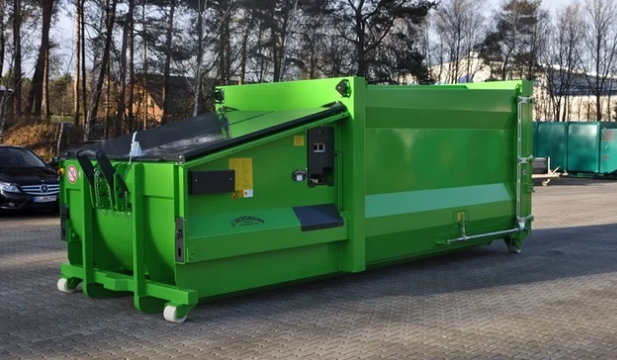
A trash compactor is one of the most practical yet underrated appliances for modern homes and commercial spaces. As households and businesses generate increasing amounts of waste, managing garbage efficiently has become a priority. Whether you want to reduce trash volume, control odors, or improve sustainability practices, a trash compactor can be a smart investment.
In this comprehensive guide, we’ll explore what a trash compactor is, how it works, its benefits, types, costs, and whether it’s the right choice for your needs.
What Is a Trash Compactor?
A trash compactor is an appliance designed to compress garbage into smaller, denser bundles. By applying hydraulic or mechanical pressure, it reduces the volume of waste, allowing you to fit more trash into a single bag.
Unlike standard garbage bins, trash compactors significantly decrease the frequency of trash disposal. They are commonly used in:
Residential kitchens
Restaurants and food service businesses
Offices and commercial facilities
Industrial environments
Major appliance brands like Whirlpool, GE Appliances, and KitchenAid manufacture built-in and freestanding trash compactors for home use.
How Does a Trash Compactor Work?
A trash compactor uses a motor-driven ram to compress waste materials inside a reinforced container. Here’s how the process works:
Load the Trash – You place garbage inside a specially designed compactor bag.
Activate the Compactor – With the press of a button, the ram descends.Compression Cycle – The ram compresses the waste using significant force.
Volume Reduction – Trash volume can be reduced by up to 75%.
Bag Removal – Once full, you remove the compacted bag for disposal.
Most residential trash compactors operate with simple push-button controls and safety locking mechanisms to prevent accidental operation.
Key Benefits of Using a Trash Compactor
1. Reduced Trash Volume
The primary benefit of a trash compactor is volume reduction. By compressing garbage, you can reduce the number of trash bags used weekly. This is particularly beneficial for large families or high-waste businesses.
2. Fewer Trips to the Curb
Since compacted trash takes up less space, you won’t need to take out the garbage as often. This is especially convenient in apartments or areas with limited disposal access.
3. Cost Savings on Trash Bags
Although compactor bags are heavy-duty and slightly more expensive than standard trash bags, you’ll use fewer of them overall, leading to long-term savings.
4. Improved Hygiene and Odor Control
Modern trash compactors often include odor-control features such as charcoal filters or deodorizing systems. This helps maintain a cleaner kitchen environment.
5. Eco-Friendly Waste Management
By reducing waste volume, trash compactors can lower the number of garbage pickups required, potentially decreasing fuel consumption in waste collection services.
Types of Trash Compactors
Choosing the right trash compactor depends on your space and usage requirements.
Built-In Trash Compactors
Built-in models are installed under countertops and integrated into cabinetry. They are ideal for modern kitchens seeking a seamless appearance.
Popular models are available from manufacturers such as Whirlpool and KitchenAid.
Pros:
Space-efficient
Aesthetic integration
Higher capacity
Cons:
Higher upfront costInstallation required
Freestanding Trash Compactors
Freestanding units can be placed anywhere with a power outlet.
Pros:
Portable
Easier installation
Lower initial cost
Cons:
Takes up floor spaceLess visually integrated
Commercial Trash Compactors
Commercial compactors are designed for heavy-duty use in restaurants, hospitals, and industrial facilities. These units have significantly greater compression force and capacity.
They are often supplied by industrial equipment companies rather than residential appliance brands.
Trash Compactor vs. Garbage Disposal
It’s important not to confuse a trash compactor with a garbage disposal.
Trash Compactor – Compresses solid waste.
Garbage Disposal – Grinds food waste and sends it through plumbing.
They serve different purposes and can be used together in a well-equipped kitchen.
How Much Does a Trash Compactor Cost?
The price of a trash compactor varies based on brand, features, and installation type.
Residential models: $700 – $1,500
High-end built-in units: $1,500 – $2,500
Commercial systems: $5,000+
Installation costs may range from $100 to $500 depending on electrical and cabinetry requirements.
While the initial investment may seem significant, the long-term benefits—especially for large households—can justify the cost.
Maintenance and Care
Maintaining a trash compactor is straightforward but essential for longevity.
Regular Cleaning
Wipe down the interior monthly.Clean spills immediately.Use manufacturer-approved cleaners.
Replace Filters
If your model includes an odor-control system, replace the air filter every 6 to 12 months.
Inspect Moving Parts
Periodically check the ram and track system to ensure smooth operation.
Proper maintenance can extend the lifespan of your trash compactor to 10 years or more.
Is a Trash Compactor Worth It?
A trash compactor is worth considering if:
You generate large amounts of waste.
You want to reduce trash bag usage.
You value kitchen organization and cleanliness.
You live in an area with limited garbage pickup.
However, it may not be ideal if:
You produce minimal waste.
You lack installation space.
You prefer separating recyclables frequently (compactors are primarily for non-recyclable waste).
Environmental Considerations
While trash compactors reduce waste volume, they do not reduce waste weight. It’s still important to recycle and compost when possible. Many environmentally conscious homeowners use compactors specifically for non-recyclable waste while maintaining separate recycling bins.
When integrated into a broader waste management strategy, a trash compactor can support sustainability efforts.
Buying Guide: What to Look For
When selecting a trash compactor, consider the following features:
1. Compression Force
Higher compression force results in greater volume reduction.
2. Capacity
Standard residential compactors hold around 1.4 cubic feet of waste.
3. Noise Level
Look for models with sound insulation if installing in an open-concept kitchen.
4. Safety Features
Child locks and key-start mechanisms are essential for families.
5. Warranty
Choose brands that offer at least a one-year comprehensive warranty.
Final Thoughts
A trash compactor is a powerful solution for efficient waste management in both residential and commercial environments. By significantly reducing trash volume, it minimizes disposal frequency, improves hygiene, and supports organized living spaces.
For homeowners seeking convenience and businesses aiming to optimize operations, investing in a quality trash compactor from trusted brands like Whirlpool, GE Appliances, or KitchenAid can provide long-term value.
If your goal is to reduce clutter, save time, and enhance kitchen efficiency, a trash compactor may be exactly what your space needs.












Leave a Reply