
Introduction
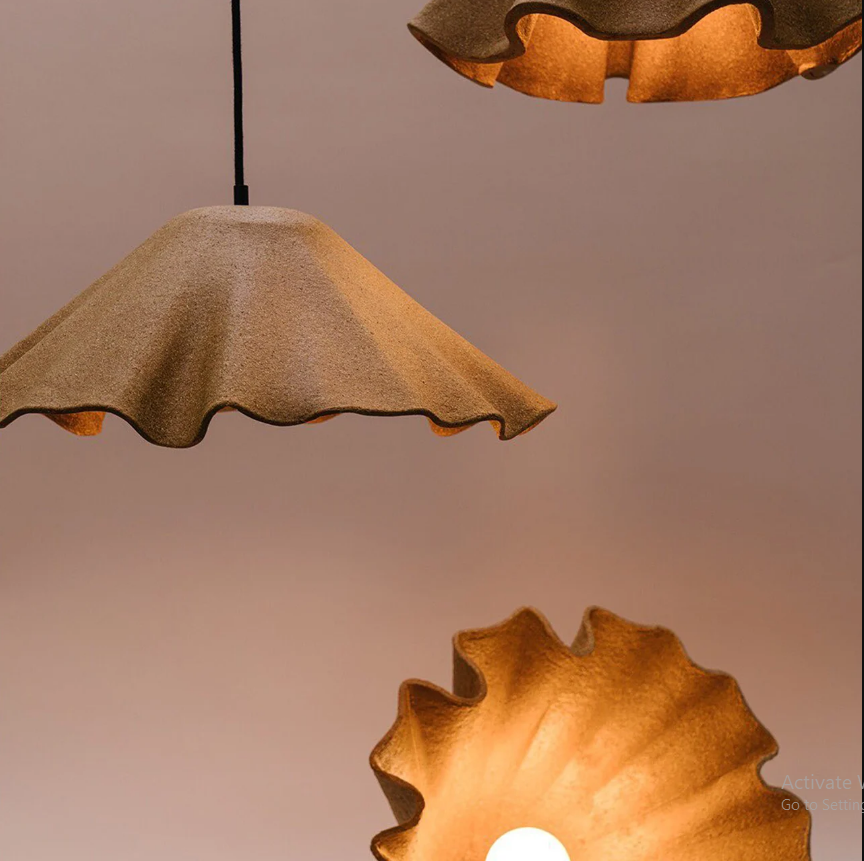
The oil palm waste used lamp project is an innovative sustainability concept that transforms agricultural waste into functional lighting products. With growing global concern about environmental pollution and waste management, researchers, students, and eco-entrepreneurs are exploring creative ways to reuse oil palm byproducts instead of letting them become environmental burdens.
Oil palm cultivation produces massive quantities of waste every year. Instead of burning or dumping this waste, modern eco-design projects are converting it into biodegradable lamps, combining renewable materials, green technology, and circular economy principles.
This article explores how oil palm waste can be used to create lamps, the benefits of such projects, materials required, production processes, and why this topic is gaining strong search traffic online.
Understanding Oil Palm Waste
Oil palm plantations generate several types of biomass waste during harvesting and processing. Common types include:
Empty Fruit Bunches (EFB)
Palm Kernel Shells (PKS)
Oil Palm Fibers
Palm Fronds and Trunks
Palm Pressed Fiber
Traditionally, these materials are burned, left to decompose, or discarded, contributing to:
Carbon emissions
Land pollution
Waste management challenges
However, these natural fibers possess strong structural properties, making them suitable for eco-friendly product design — including lamps.
What Is an Oil Palm Waste Used Lamp Project?
An oil palm waste lamp project is a sustainability or engineering initiative where oil palm biomass is processed into lamp components such as:
Lamp shades
Lamp bases
Decorative panels
Bio-composite structures
The project is popular in:
Environmental science programs
Engineering and design schoolsGreen startups
DIY sustainability communities
The main goal is to create functional lighting using recycled agricultural materials while reducing environmental impact.
Why Use Oil Palm Waste for Lamps?
Eco-Friendly Material
Oil palm fibers are biodegradable and renewable, making them an excellent alternative to plastic or synthetic materials. Abundant Resource
Palm oil production countries generate millions of tons of biomass annually, ensuring low-cost raw materials.
Strong Fiber Structure
Palm fibers can be compressed into durable boards or molded shapes ideal for lamp designs.
Natural Aesthetic Appeal
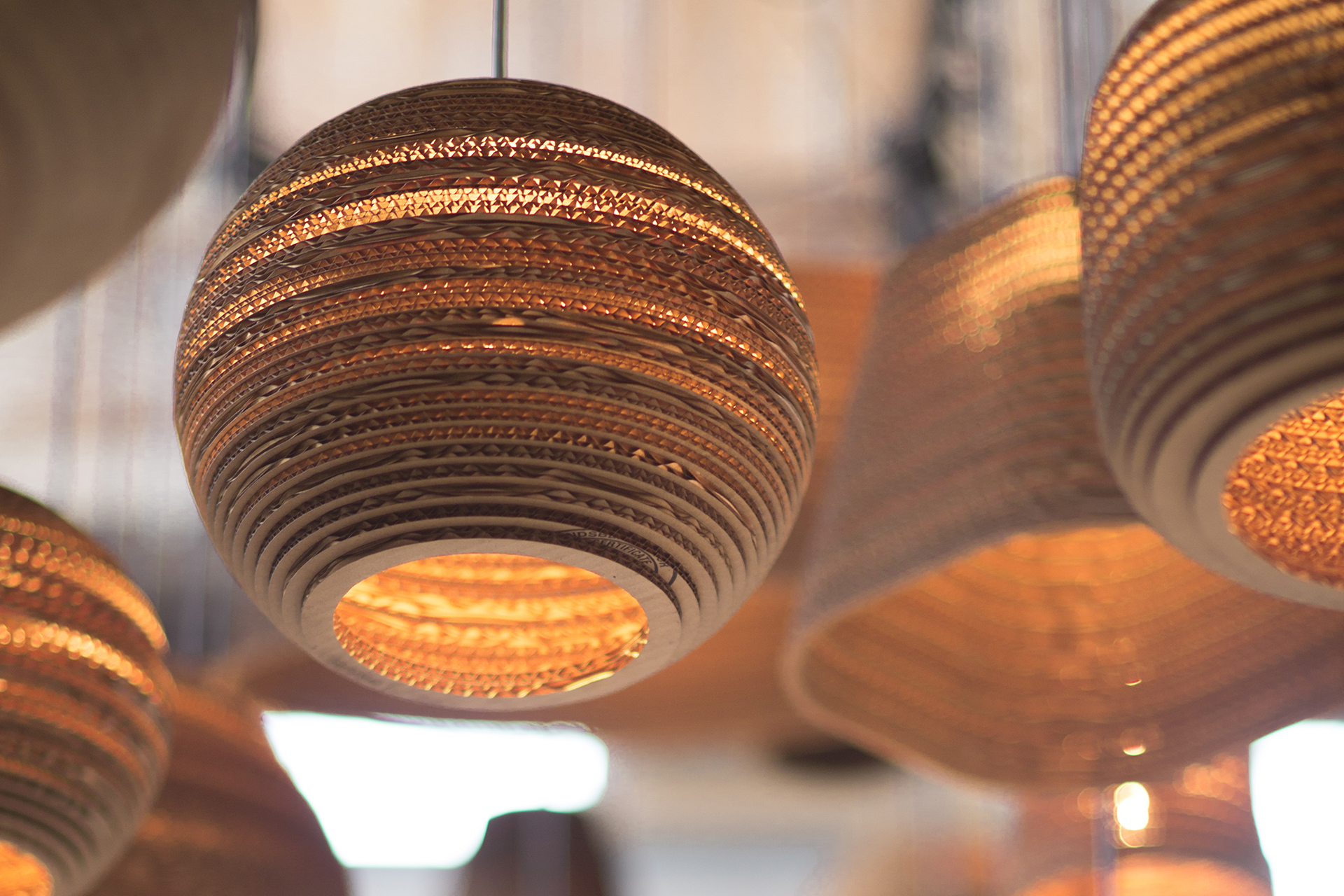
The organic texture gives lamps a warm, earthy, modern appearance highly valued in sustainable interior design.
Waste Reduction
Transforming waste into products supports circular economy practices.
Materials Required for the Project
A typical oil palm waste lamp project requires simple and accessible materials:
Raw Materials
Oil palm fibers or empty fruit bunch fibers
Natural resin or eco adhesive
Wooden or recycled metal frame
LED bulb (energy-efficient)
Electrical wiring kit
Tools
Mold or frame structure
Cutter or grinderPressing equipment (manual or hydraulic)
Sandpaper
Drill machine
Many student projects use low-cost tools, making this an ideal academic or science fair project.
Step-by-Step Process to Make an Oil Palm Waste Lamp
Step 1: Collect and Clean Waste
Oil palm fibers are washed to remove oil residue and dirt.
Step 2: Drying
Fibers are sun-dried or oven-dried to remove moisture.
Step 3: Fiber Processing
The material is shredded or softened for molding.
Step 4: Mixing Binder
Natural resin or eco glue is mixed with fibers to form a composite material.
Step 5: Molding the Lamp Shape
The mixture is placed into molds to create lamp shades or panels.
Step 6: Pressing and Hardening
Pressure and heat help the material become strong and durable.
Step 7: Finishing
Sanding for smooth textureNatural coating for protectionDecorative cutting patterns
Step 8: Electrical Installation
An LED lighting system is installed safely inside the lamp structure.
Environmental Benefits of Oil Palm Waste Lamps
Reduced Agricultural Waste
Large volumes of biomass are reused instead of burned.
Lower Carbon Footprint
Using natural materials reduces reliance on plastic manufacturing.
Energy Efficiency
Most projects integrate LED technology, consuming less electricity.
Sustainable Product Lifecycle
The lamp components can biodegrade at the end of their lifespan.
Educational Importance of the Project
This project is widely used in academic environments because it combines multiple disciplines:
Environmental science
Renewable energy
Product design
Electrical engineering
Sustainable development studies
Students learn practical skills such as material innovation, prototyping, and eco-design thinking.
Business and Startup Opportunities
The oil palm waste lamp concept has strong commercial potential.
Growing Market Trends
Consumers increasingly prefer:
Sustainable home décor
Eco-friendly furniture
Handmade natural products
Possible Business Models
Handmade eco lamp brand
Export sustainable décor products
Collaboration with palm oil industries
Upcycled craft marketplaces
Eco-conscious buyers are willing to pay premium prices for environmentally responsible products.
Challenges in Oil Palm Waste Lamp Projects
Despite its advantages, the project faces some limitations:
Fiber processing requires proper drying methods
Material durability must be tested
Moisture resistance needs protective coatings
Electrical safety standards must be followed
However, ongoing research in bio-composites is solving many of these issues.
SEO Advantage: Why This Keyword Can Drive Traffic
The keyword “oil palm waste used lamp project” has strong organic traffic potential because it targets multiple audiences:
Students searching for project ideas
Researchers studying sustainability
DIY creators
Eco-design enthusiasts
Green business entrepreneurs
It combines three high-interest niches:
✅ Sustainability
✅ Renewable materials
✅ DIY innovation
This makes it a low-competition, high-intent keyword ideal for niche websites.
Future of Oil Palm Waste Innovation
Oil palm waste is no longer viewed as useless biomass. Researchers are already developing:
Bio-plastic alternatives
Furniture panels
Acoustic boards
Sustainable packaging
Renewable energy pellets
Lamp projects represent one of the most accessible entry points into this green innovation ecosystem.
As sustainable living becomes mainstream, products made from agricultural waste are expected to grow significantly in global markets.
Conclusion
The oil palm waste used lamp project demonstrates how creativity and sustainability can transform environmental problems into practical solutions. By converting agricultural waste into stylish, functional lighting, this project supports waste reduction, eco-innovation, and green entrepreneurship.
Whether used as a student research project, DIY experiment, or commercial product idea, oil palm waste lamps showcase the power of circular design — where waste becomes a resource instead of pollution.
As awareness of sustainable living continues to rise, projects like these are not just educational experiments but potential foundations for the future of eco-friendly manufacturing and responsible design.









Leave a Reply