
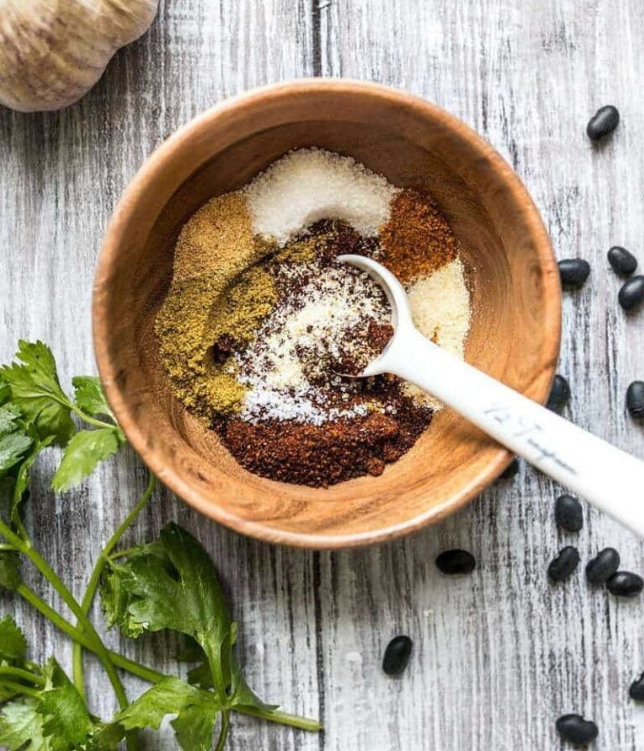
If you’re searching for the perfect chili seasoning, you’re likely looking for a bold, smoky, and well-balanced spice blend that transforms ordinary ingredients into a rich, flavorful bowl of chili. Whether you’re making classic beef chili, turkey chili, or vegetarian chili, the right seasoning mix is what defines the dish.
In this complete guide, you’ll learn:
What chili seasoning is
The best homemade chili seasoning recipe
How to adjust flavor levels
How much seasoning to use
Storage tipsVariations for different diets
SEO-friendly tips if you’re publishing this recipe
Let’s dive in.
What Is Chili Seasoning?
Chili seasoning is a dry spice blend specifically formulated to flavor chili dishes. It combines earthy, smoky, spicy, and slightly sweet notes to create depth and warmth.
Unlike taco seasoning, chili seasoning typically has:
More chili powder
Deeper smokiness
Less cumin dominance
No added thickeners (in homemade versions)
Store-bought packets often contain additives, anti-caking agents, and excess sodium. Making your own blend gives you full control over flavor and health.
Best Homemade Chili Seasoning Recipe
Here is a perfectly balanced, restaurant-quality chili seasoning blend:
Ingredients
2 tablespoons chili powder
1 tablespoon ground cumin
1 tablespoon smoked paprika
1 teaspoon garlic powder
1 teaspoon onion powder
1 teaspoon dried oregano
½ teaspoon cayenne pepper (adjust for heat)
1 teaspoon salt
½ teaspoon black pepper
This yields about 1/4 cup of seasoning.
Why These Ingredients Work
Chili Powder – The foundation; provides body and mild heat.
Cumin – Earthy and warm, gives chili its signature depth.
Smoked Paprika – Adds subtle smokiness without overpowering.
Garlic & Onion Powder – Enhance savory flavor.
Oregano – Slight herbal balance.
Cayenne – Controls heat level.
Salt & Pepper – Flavor amplifiers.
This ratio creates balance: smoky, savory, mildly spicy, and aromatic.
How Much Chili Seasoning to Use
For most chili recipes:
Use 2 to 3 tablespoons per 1 pound of meat
Adjust depending on intensity preference
If cooking vegetarian chili, start with 2 tablespoons and adjust after simmering.
Pro tip: Always bloom your spices in oil for 30–60 seconds before adding liquids. This releases essential oils and deepens flavor.
Chili Seasoning vs Taco Seasoning
Many people confuse the two. Here’s the difference:
| Chili Seasoning | Taco Seasoning |
|---|---|
| More chili powder | More cumin |
| Smokier | Brighter flavor |
| Designed for slow simmering | Designed for quick cooking |
| Balanced heat | Often milder |
If you substitute taco seasoning in chili, the flavor profile will change noticeably.
How to Customize Chili Seasoning
For Spicy Chili
Increase cayenne to 1 teaspoon
Add crushed red pepper flakes
For Smokier Chili
Add ½ teaspoon chipotle powder
Increase smoked paprika
For Sweeter Notes
Add ½ teaspoon brown sugar
For Low Sodium
Omit salt and add separately to taste
Customization is key for creating your signature chili flavor.
How to Store Homemade Chili Seasoning
Proper storage preserves potency:
Store in airtight glass container
Use within 6 months for maximum freshness
Spices lose volatile oils over time, reducing intensity.
Health Benefits of Chili Seasoning Ingredients
Many spices in chili seasoning offer functional benefits:
Chili powder & cayenne – Contain capsaicin, which may support metabolism
Garlic powder – Known for immune-supporting properties
Cumin – May aid digestion
Oregano – Contains antioxidants
While seasoning isn’t medicine, these compounds add nutritional value.
How to Use Chili Seasoning Beyond Chili
Chili seasoning is versatile.
Use it in:
Taco meat
Roasted vegetables
Grilled chicken
Burrito bowls
Rice dishesBean soups
Marinades
Homemade spice rubs
You can even mix it with olive oil and lime juice for a quick marinade.
Chili Seasoning for Different Diets
Keto
Fully keto-friendly if no sugar is added.
Vegan
100% plant-based.
Gluten-Free
Naturally gluten-free (check individual spices for cross-contamination).
Paleo
Compliant if using pure spices without additives.
Homemade seasoning eliminates hidden fillers found in commercial packets.
Common Mistakes When Making Chili Seasoning
1. Using Low-Quality Chili Powder
Fresh, high-quality chili powder dramatically improves flavor.
2. Adding Too Much Cumin
Overpowering cumin creates bitterness.
3. Skipping Salt
Salt balances spice and enhances aroma.
4. Not Letting Chili Simmer
Seasoning needs time (at least 30–45 minutes) to fully develop.
Scaling the Recipe for Bulk Use
If you cook chili often, make a larger batch:
Bulk Batch (1 Cup)
8 tablespoons chili powder4 tablespoons cumin4 tablespoons smoked paprika
4 teaspoons garlic powder
4 teaspoons onion powder
4 teaspoons oregano
2 teaspoons cayenne
4 teaspoons salt
2 teaspoons black pepper
Store in labeled jar for quick use.
Frequently Asked Questions
Is Chili Seasoning the Same as Chili Powder?
No.
Chili powder is one ingredient within chili seasoning.
Chili seasoning is a complete blend.
Can I Make Chili Seasoning Without Cumin?
Yes, but the flavor will be less traditional. You can substitute coriander for a different aromatic profile.
How Long Does Homemade Chili Seasoning Last?
Up to 6 months in airtight storage. After that, potency declines.
Can I Use This for White Chicken Chili?
Yes, but reduce smoked paprika and increase garlic for better balance.
Pro Cooking Tips for the Best Chili Flavor
-
Brown meat thoroughly before adding seasoning.
-
Toast spices in oil before adding tomatoes or broth.
-
Simmer low and slow for deeper flavor development.
-
Let chili rest 15–20 minutes before serving.
Flavor intensifies as it sits.
Final Thoughts: Why Homemade Chili Seasoning Is Better
Making your own chili seasoning ensures:
Better flavorLower sodium
No preservativesCustom heat controlBudget savings
It takes less than 5 minutes and dramatically upgrades your chili.












Leave a Reply